How to Buy Glasses Online Without Choosing the Wrong Pair

How to Buy Glasses Online Without Choosing the Wrong Pair
By Editorial Team • Updated regularly • Fact-checked content
Note: This content is provided for informational purposes only. Always verify details from official or specialized sources when necessary.

What if the glasses that looked perfect online make your face look “off” the moment they arrive?

Buying glasses online can save you time and money, but the wrong frame size, lens choice, or prescription detail can turn a great deal into an expensive return.

The good news: choosing the right pair is not guesswork. Once you know how to read your measurements, match frames to your face, and check the details that retailers rarely explain clearly, online glasses shopping becomes far less risky.

This guide shows you how to buy glasses online with confidence-without ending up with frames that pinch, slide, distort your vision, or simply do not suit you.

What to Know Before Buying Prescription Glasses Online

Before ordering prescription glasses online, make sure your eye prescription is current and includes more than just sphere and cylinder numbers. You’ll also need your pupillary distance, or PD, because even a stylish frame can feel “off” if the optical center of the lenses is not aligned with your eyes.

A common real-world mistake is buying large fashion frames for a strong prescription, then being surprised by thick lenses and edge distortion. If your prescription is higher, look for high-index lenses, anti-reflective coating, and frame sizes that keep the lens width moderate to reduce thickness and improve comfort.

  • Check your lens needs: single vision, progressive lenses, reading glasses, blue light lenses, or prescription sunglasses.
  • Compare total cost: frame price, lens upgrades, shipping, returns, and whether vision insurance or HSA/FSA payments are accepted.
  • Use digital tools carefully: virtual try-on is helpful, but measurements matter more than how the frame looks on screen.

Platforms like Warby Parker offer virtual try-on and home try-on options, which can reduce guesswork before you commit. Still, read the return policy closely, especially for progressive lenses or custom lens coatings, because some retailers have stricter rules for remakes and refunds.

If you wear glasses all day for work, driving, or screen use, prioritize lens quality over the cheapest frame. A slightly higher upfront cost for accurate prescription lenses, durable coatings, and proper fit often saves you from headaches, blurry vision, and paying for a replacement pair later.

How to Choose the Right Frame Size, Shape, and Lens Options

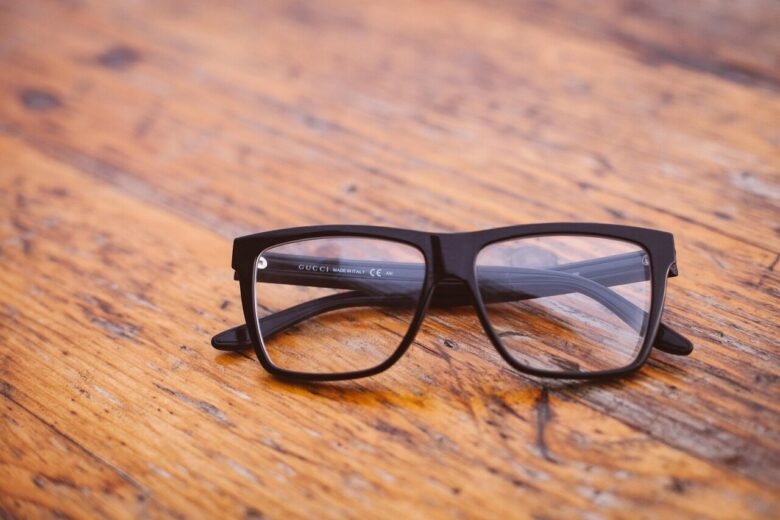
Start with the numbers printed inside your current glasses, usually something like 52-18-140. These show lens width, bridge width, and temple length, and they are often the safest guide when buying prescription glasses online because they reflect what already fits your face.

Frame shape matters just as much as size. If your face is round, slightly rectangular or square frames can add structure; if your face is angular, round or oval frames can soften the look. A real-world tip: if your old glasses slide down during work or driving, look for a narrower bridge or adjustable nose pads instead of simply choosing a smaller frame.

  • Single-vision lenses: best for distance, reading, or everyday computer use.
  • Progressive lenses: useful if you need distance and reading correction in one pair, but they require accurate measurements.
  • Lens coatings: anti-reflective coating is worth considering for night driving, screens, and video calls.

Use a virtual try-on tool such as Warby Parker Virtual Try-On or Zenni Frame Fit, but do not rely on the photo alone. Check the listed frame measurements, your pupillary distance, return policy, and whether the retailer accepts vision insurance or HSA/FSA payments.

For higher prescriptions, lens material can affect both comfort and cost. High-index lenses are thinner and lighter, while polycarbonate lenses are a practical choice for kids, sports, or safety eyewear. If you spend hours on a laptop, compare blue light filtering lenses with anti-glare lenses before paying extra, because the benefits are not the same.

Common Online Glasses Buying Mistakes That Lead to the Wrong Pair

One of the biggest mistakes is ordering prescription glasses online without checking every number on the prescription. Sphere, cylinder, axis, ADD, and pupillary distance all matter, especially for progressive lenses or high-index lenses where small errors can make the glasses feel “off.” If your eye doctor did not write your PD, ask for it or measure it carefully using a tool like EyeBuyDirect’s PD measurement tool.

Another common issue is choosing frames based only on style. A frame that looks good in a virtual try-on may still be uncomfortable if the bridge width, temple length, or lens height does not match your current glasses. For example, someone switching from a small rectangular frame to oversized round frames may notice thicker lens edges, more distortion, and higher lens upgrade costs.

  • Ignoring frame measurements: Compare lens width, bridge, and temple length with a pair you already wear comfortably.
  • Skipping lens options: Anti-reflective coating, blue light lenses, photochromic lenses, and scratch-resistant coating can affect daily comfort and long-term value.
  • Not checking return policies: Look for free returns, prescription remake guarantees, and vision insurance reimbursement before paying.

I often see buyers focus on the cheapest glasses online, then spend more replacing them because the lenses are wrong for their work habits. If you drive at night, work on screens, or need multifocal lenses, choose lens features based on real use-not just the lowest checkout price. A slightly higher upfront cost can save frustration and prevent an expensive second order.

Final Thoughts on How to Buy Glasses Online Without Choosing the Wrong Pair

Buying glasses online becomes much easier when you treat the purchase as a fit-and-function decision, not just a style choice. The safest pair is one that matches your prescription needs, face measurements, daily routine, and comfort expectations.

Before checkout, pause and verify: your prescription is current, your PD is accurate, the frame size suits your face, and the return policy gives you room to adjust. If a pair looks good but fails on comfort or lens compatibility, keep looking. The right glasses should feel dependable from the first day, not like a compromise.