Blue Light Glasses: Do You Really Need Them for Screen Work?

Blue Light Glasses: Do You Really Need Them for Screen Work?
By Editorial Team • Updated regularly • Fact-checked content
Note: This content is provided for informational purposes only. Always verify details from official or specialized sources when necessary.

What if your “screen eye strain” isn’t really caused by blue light?

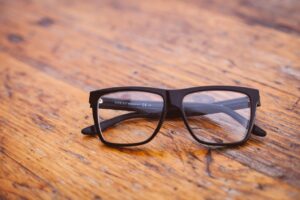
Blue light glasses are marketed as the must-have fix for long workdays, tired eyes, headaches, and poor sleep-but the evidence is far less dramatic than the ads suggest.

For most screen workers, discomfort usually comes from dry eyes, reduced blinking, glare, poor ergonomics, and hours of close focusing-not blue light damage from a laptop.

That doesn’t mean blue light is irrelevant. The real question is when these glasses may help, when they probably won’t, and what actually protects your eyes during screen work.

Blue light glasses mainly filter part of the short-wavelength light coming from digital screens and LED lighting. Some people find this reduces harsh glare, especially when working at night or using a bright monitor in a dark room. If you use f.lux, Night Shift, or Windows Night Light, you’re already getting a similar screen-color adjustment without buying new lenses.

What they don’t do is solve the most common causes of computer vision syndrome. Eye strain from screen work is usually linked to focusing for long periods, reduced blinking, poor lighting, uncorrected prescription needs, dry eyes, or a bad ergonomic setup. In practice, I’ve seen people buy premium blue light blocking glasses, then feel better only after raising their monitor, increasing text size, and using lubricating eye drops recommended by an optometrist.

  • They may help: nighttime screen comfort, glare sensitivity, and sleep-friendly screen habits.
  • They won’t fix: dry eye, blurry vision from an outdated prescription, neck pain, or poor monitor placement.
  • Best value: pair anti-reflective coating or prescription computer glasses with better lighting and regular breaks.

Before paying extra for blue light lenses, check the basics: screen brightness should match the room, your monitor should sit about an arm’s length away, and your eyes should look slightly downward at the display. If symptoms continue, the smarter investment may be a comprehensive eye exam, prescription lenses, or dry eye treatment rather than another screen accessory.

How to Decide If Blue Light Glasses Are Worth Using for Your Daily Screen Work

Start with your actual symptoms, not the marketing claims. If your eyes feel dry, tired, or strained after long sessions in Google Workspace, Zoom, Excel, or coding tools, blue light glasses may help with comfort-but they should not replace a proper eye exam or better screen habits.

A practical test is to use them for one full workweek and track what changes. For example, if you spend eight hours on a laptop and notice fewer evening headaches after switching to computer glasses with an anti-reflective coating, they may be worth the cost for your routine.

  • Worth considering: night screen work, frequent video calls, bright LED monitors, or sensitivity to glare.
  • Less likely to help: blurry vision, double vision, or eye pain, which may require prescription glasses or an optometrist visit.
  • Best upgrade: blue light filtering plus anti-glare coating, proper prescription lenses, and better monitor brightness settings.

Also compare the price with alternatives. A quality pair of blue light blocking glasses may be cheaper than a new ergonomic monitor, but free tools like Night Shift, Windows Night Light, or f.lux can reduce screen brightness and color temperature immediately.

From real-world office use, the biggest improvement often comes from combining small fixes: correct prescription, larger font size, screen distance, and regular breaks. If glasses make screen work more comfortable and fit your budget, they are a reasonable device upgrade-not a medical necessity for everyone.

Common Mistakes to Avoid: Relying on Blue Light Glasses Instead of Better Screen Habits

One common mistake is treating blue light glasses like a complete fix for digital eye strain. If your monitor is too bright, your text is tiny, or you work for hours without blinking properly, even expensive blue light blocking lenses or anti-reflective coating will not solve the real problem.

A better approach is to improve your screen setup first. For example, a designer working eight hours in Adobe Photoshop may feel “eye fatigue” not because of blue light, but because the display brightness is higher than the room lighting and the monitor is positioned too close.

  • Match screen brightness to your room lighting instead of keeping it at maximum.
  • Use the 20-20-20 rule: every 20 minutes, look about 20 feet away for 20 seconds.
  • Increase font size, reduce glare, and position your monitor slightly below eye level.

Another mistake is skipping an eye exam and buying glasses online as a shortcut. Dry eyes, uncorrected vision, outdated prescription lenses, or poor ergonomics can all mimic computer vision syndrome, and an optometrist can identify issues that screen filters cannot.

Blue light glasses may still be useful in certain situations, especially if they reduce glare or help you feel more comfortable during evening screen work. But for most people, the bigger benefits come from better screen habits, proper workplace ergonomics, quality monitor settings, and regular vision care-not from relying on one accessory alone.

Key Takeaways & Next Steps

Bottom line: blue light glasses are not a must-have for most screen workers, but they can be useful if they make your eyes feel more comfortable or help you avoid bright light close to bedtime.

For daytime computer use, prioritize the basics first: adjust screen brightness, reduce glare, blink often, take regular breaks, and keep your prescription up to date. If you still experience discomfort, trying blue light glasses is reasonable-but treat them as a comfort tool, not a guaranteed solution. If eye strain, headaches, or blurred vision persist, an eye exam is the smarter next step.