By Ethan Cole • Published November 12, 2025 • Updated May 15, 2026 • Fact-checked content
Note: This content is provided for informational purposes only. Always verify details from official or specialized sources when necessary.
When was your last eye exam? If you are squinting to remember, it has probably been too long.
Eye exams do more than check if you need glasses. They detect early signs of glaucoma, cataracts, macular degeneration, diabetic retinopathy, and even general health issues like high blood pressure. Skipping exams because your vision “seems fine” is one of the most common and costly mistakes people make.
This guide explains how often different age groups and risk profiles should get checked, what happens during a comprehensive exam, and how to prepare so you get the most value from your visit.
How Often Adults Should Get Eye Exams
The general rule for adults aged eighteen to sixty with no symptoms or risk factors is every one to two years. However, this interval shortens significantly based on age, health conditions, and lifestyle factors.
- Ages 18 to 39: Every two years if healthy and symptom-free. Every year if you wear contact lenses, have a family history of eye disease, or work in visually demanding jobs.
- Ages 40 to 54: Every one to two years. Presbyopia typically begins in this range, requiring reading glasses or multifocal lenses even if distance vision was previously stable.
- Ages 55 to 64: Every one to two years. Risk increases for cataracts, glaucoma, and early macular degeneration.
- Ages 65 and older: Every year. Age-related eye diseases become significantly more common, and early detection is critical for preserving vision.
These are minimum guidelines. If you notice any vision changes, pain, flashes, floaters, or double vision, schedule an exam immediately regardless of when your last checkup occurred.
Children and Teens: Earlier and More Often
Children should have their first comprehensive eye exam at six months, again at age three, and before starting school. After that, every one to two years during school age unless problems arise.
Vision problems in children often masquerade as learning difficulties, behavioral issues, or clumsiness. A child who squints, tilts their head, rubs their eyes excessively, or avoids reading may have an undetected refractive error. School screenings catch some problems but miss others, including binocular vision disorders and subtle astigmatism.
Teenagers who wear contact lenses need annual exams to monitor corneal health, prescription changes, and proper lens hygiene. The teenage years are also when myopia progression often accelerates, making early intervention important.
Risk Factors That Require More Frequent Exams
Certain health conditions and family histories dramatically increase eye disease risk and justify annual or even more frequent exams.
- Diabetes: Annual dilated exams are essential. Diabetic retinopathy is a leading cause of blindness and often has no early symptoms.
- High blood pressure: Can damage retinal blood vessels. Your eye doctor may detect hypertension before you do.
- Family history of glaucoma: First-degree relatives have up to ten times higher risk. Early screening can prevent vision loss.
- Previous eye injury or surgery: Scar tissue, retinal detachment risk, and other complications require monitoring.
- Autoimmune diseases: Conditions like rheumatoid arthritis, lupus, and multiple sclerosis can affect the eyes.
- Heavy screen use: While not a disease risk factor, prolonged screen users benefit from annual checks to catch prescription changes and dry eye early.
What Happens During a Comprehensive Eye Exam
A comprehensive exam goes far beyond reading letters on a chart. Expect the following components during a typical visit.
- Visual acuity test: Reading letters at distance and near to measure sharpness.
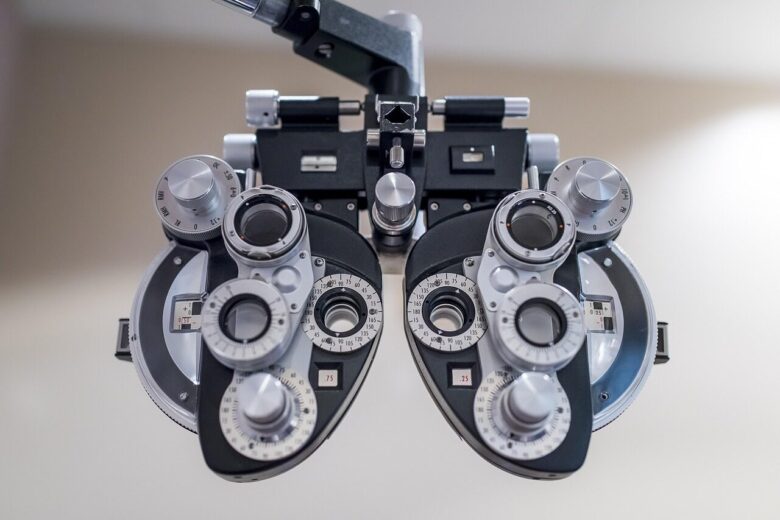
- Refraction: Determining your exact prescription for glasses or contacts using a phoropter or autorefractor.
- Eye muscle function: Checking how well your eyes move, track, and work together.
- Peripheral vision test: Screening for glaucoma and neurological issues.
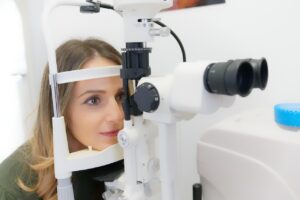
- Slit lamp examination: A microscope exam of the front of the eye, including cornea, iris, and lens, to detect cataracts, scratches, and infections.
- Dilated fundus exam: Eye drops widen the pupil so the doctor can examine the retina, optic nerve, and blood vessels. This detects diabetic retinopathy, macular degeneration, and glaucoma.
- Intraocular pressure: A puff of air or gentle probe measures pressure inside the eye. High pressure is a major glaucoma risk factor.
Some offices also offer retinal imaging, OCT scans, and visual field testing for higher-risk patients. These add cost but catch problems earlier than standard exams alone.
How to Prepare for Your Eye Exam
Bring your current glasses and contact lens boxes, a list of medications, and your family eye health history. If you have diabetes or high blood pressure, bring recent lab results or blood pressure readings. Know your vision insurance details and ask about costs for optional tests before agreeing to them.
If you drive to the appointment, remember that dilation blurs near vision and increases light sensitivity for several hours. Bring sunglasses and arrange alternative transportation if you are uncomfortable driving afterward.
Related: If you wear contact lenses, your exam schedule and lens choice will affect both cost and comfort. Read our guide on Contact Lenses vs. Glasses: Which Option Is Better for Your Lifestyle to compare ongoing expenses, maintenance requirements, and which option fits different daily routines.

Ethan Cole is a digital wellness writer and long-time screen user who spent years struggling with eye strain before rebuilding his daily habits around research-backed eye comfort practices. After consulting with multiple optometrists and testing dozens of ergonomic setups, he founded BugEyes Vision to share practical, affordable strategies that actually help heavy screen users feel better. Every article is reviewed against current eye health guidelines and written with the goal of saving readers time, money, and unnecessary discomfort.