Eye Health Checklist: Simple Habits to Protect Your Vision

Eye Health Checklist: Simple Habits to Protect Your Vision
By Editorial Team • Updated regularly • Fact-checked content
Note: This content is provided for informational purposes only. Always verify details from official or specialized sources when necessary.

What if the biggest threat to your vision isn’t age-but the small habits you repeat every day?

Your eyes work nonstop through screens, sunlight, dry air, poor sleep, and skipped checkups-often without warning signs until damage has already begun.

The good news: protecting your eyesight does not require complicated routines or expensive products. A few simple, consistent choices can help reduce strain, support long-term eye health, and catch problems early.

Use this eye health checklist as a practical guide to the daily habits, safety steps, and preventive care that can help keep your vision clear for years to come.

Eye Health Essentials: Why Daily Vision Protection Matters at Every Age

Good vision care is not just about getting prescription glasses when things look blurry. Daily protection helps reduce eye strain, prevent avoidable irritation, and catch changes early through a comprehensive eye exam, especially if you use screens, drive at night, wear contact lenses, or have a family history of glaucoma or diabetes-related eye problems.

In real life, small habits make the biggest difference. For example, someone working eight hours on a laptop may spend money on blue light glasses, but still struggle with dry eyes because the real issue is reduced blinking, poor screen height, and dry indoor air.

  • Use the 20-20-20 rule during computer work and adjust brightness with tools like f.lux or built-in Night Shift settings.
  • Wear UV-protection sunglasses outdoors, even on cloudy days, to help protect the retina and delicate skin around the eyes.
  • Compare vision insurance benefits, eye exam cost, contact lens fittings, and prescription eyewear coverage before problems become expensive.

Children need vision checks because undetected issues can affect reading and school performance. Adults should monitor digital eye strain, dry eye symptoms, and contact lens hygiene, while older adults should stay consistent with screenings for cataracts, macular degeneration, and glaucoma.

A practical approach is to treat eye care like dental care: routine, preventive, and cheaper when handled early. If you notice frequent headaches, halos around lights, sudden floaters, eye pain, or blurry vision that does not improve, book an appointment with an optometrist or ophthalmologist instead of relying on over-the-counter drops.

Daily Eye Care Checklist: Screen Breaks, UV Protection, Nutrition, and Hygiene Habits

A good eye health routine should fit into your normal day, not feel like another medical task. If you work on a laptop, set a reminder with Google Calendar or your phone timer to follow the 20-20-20 rule: every 20 minutes, look at something about 20 feet away for 20 seconds. In real life, this helps more when you also reduce screen brightness, increase text size, and position your monitor slightly below eye level.

  • Protect against UV exposure: Wear UV400 sunglasses outdoors, even on cloudy days. If you drive often, prescription sunglasses or polarized lenses can reduce glare and eye strain.
  • Support your eyes with food: Add leafy greens, eggs, salmon, citrus fruits, nuts, and seeds to your meals. These provide nutrients commonly linked with retinal health and dry eye support.
  • Keep hygiene non-negotiable: Wash hands before touching your eyes, replace contact lens cases regularly, and never sleep in contacts unless your eye doctor specifically approves it.

One practical habit I often see people overlook is cleaning their glasses and screens. Smudged lenses make your eyes work harder, especially during night driving or long office hours. Use a microfiber cloth and lens-safe spray instead of a shirt sleeve, which can scratch coatings and increase replacement costs.

If you use contact lenses, choose a quality contact lens solution and follow the replacement schedule exactly. For dryness from air conditioning or screen-heavy work, preservative-free artificial tears may help, but ongoing irritation should be checked during a comprehensive eye exam.

When to See an Eye Doctor: Vision Warning Signs, Exam Timing, and Mistakes to Avoid

Book a comprehensive eye exam if you notice blurred vision, frequent headaches, eye pain, flashes of light, new floaters, double vision, or trouble seeing at night. Sudden vision loss, a curtain-like shadow, or severe redness with pain should be treated as urgent-call an ophthalmologist or go to emergency care.

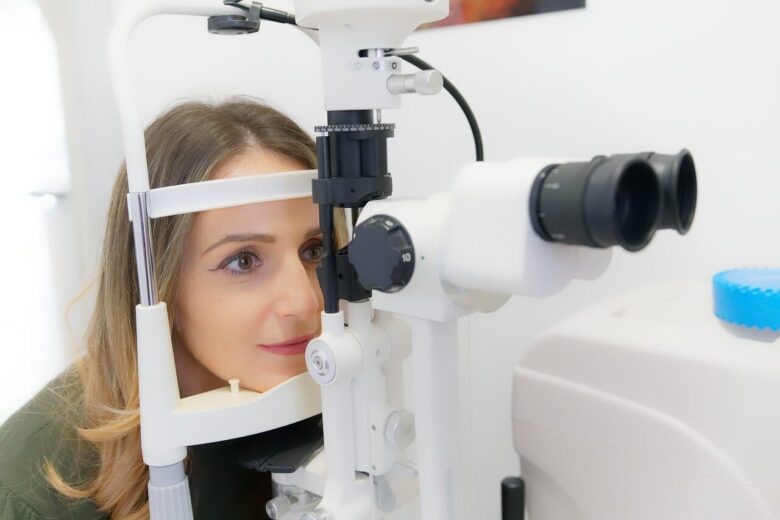
For routine care, most adults should see an optometrist every 1-2 years, or sooner if they wear contact lenses, have diabetes, high blood pressure, glaucoma risk, or a strong family history of eye disease. A real-world example: someone who works all day on a laptop may assume burning eyes are “just screen fatigue,” but an exam can reveal dry eye disease, an outdated glasses prescription, or early corneal irritation from contact lens overuse.

  • Ask whether the visit includes retinal imaging, visual field testing, or an OCT scan if you have risk factors.
  • Check your vision insurance benefits before booking, especially for prescription glasses, contact lenses, or specialty lenses.
  • Use Zocdoc or your insurer’s provider directory to compare eye exam cost, appointment availability, and accepted plans.

Common mistakes include buying cheap readers without checking your distance vision, skipping follow-ups after an abnormal screening, and using old antibiotic or steroid eye drops. Also, don’t wait for pain-many serious conditions, including glaucoma and diabetic retinopathy, can progress quietly before vision changes become obvious.

Wrapping Up: Eye Health Checklist: Simple Habits to Protect Your Vision Insights

Your eyesight is worth protecting before problems appear. Small daily choices-reducing strain, wearing proper protection, eating well, and keeping up with exams-can lower avoidable risks and support long-term vision.

If you notice blurred vision, eye pain, flashes, new floaters, or sudden changes, do not wait for them to “settle.” Schedule an eye exam promptly, and follow your provider’s guidance if you have diabetes, high blood pressure, a family history of eye disease, or use corrective lenses. The best habit is simple: treat eye care as routine preventive health, not an emergency response.