By Ethan Cole • Published November 26, 2025 • Updated April 20, 2026 • Fact-checked content
Note: This content is provided for informational purposes only. Always verify details from official or specialized sources when necessary.
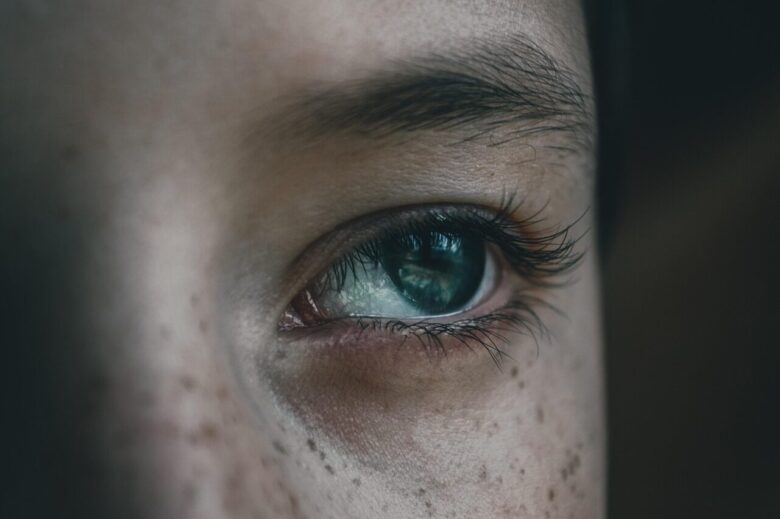
Tired eyes are not always about sleep. Sometimes the culprit is your screen, your environment, or habits you have stopped noticing.
Most people blame tired eyes on lack of rest, but the real causes are often more specific and more fixable. Prolonged screen use, poor lighting, dry indoor air, uncorrected vision, and even dehydration can leave your eyes feeling heavy, burning, or gritty by afternoon.
This guide identifies the most common causes of tired eyes, explains why they happen, and offers practical steps to reduce or eliminate the discomfort.
The Most Common Causes of Tired Eyes
Tired eyes, also called eye fatigue or asthenopia, usually result from one or more of these factors working together.
1. Prolonged Screen Use and Reduced Blinking
When you focus on a screen, your blink rate drops by roughly half. Normal blink rate is about fifteen to twenty times per minute. During intense screen work, it can fall to five or fewer. Each blink spreads a fresh layer of tears across the eye surface. Blink less, and the tear film breaks up, causing dryness, irritation, and that familiar burning sensation.
This is the single most common cause of tired eyes in modern life. It affects office workers, students, gamers, and anyone who spends more than two consecutive hours on a digital device.
2. Poor Lighting and Glare
Working in a room that is too bright or too dim forces your eyes to compensate constantly. Bright overhead lights reflecting off your screen create glare that reduces contrast and makes text harder to read. Dim rooms force your pupils to widen, increasing sensitivity to the bright screen and causing fatigue.
The ideal setup is indirect, moderate lighting that matches your screen brightness. A desk lamp aimed at the wall or ceiling, rather than directly at your face or screen, often provides the best balance.
3. Dry Indoor Air and Environmental Factors
Air conditioning, heating, and low humidity evaporate tears faster than they can be replaced. This is especially noticeable in offices, airplanes, and winter homes. Fans blowing directly at your face worsen the problem by accelerating tear evaporation.
Adding a desktop humidifier, avoiding direct airflow, and using preservative-free artificial tears can help. But the most effective fix is often the simplest: step away from the screen and let your eyes recover in a more humid environment.
4. Uncorrected or Outdated Vision Prescriptions
An outdated glasses or contact lens prescription forces your eyes to work harder to focus. Even small prescription changes can cause significant fatigue over an eight-hour workday. Many people tolerate blurry vision for months before realizing their prescription needs updating.
If your eyes feel tired even after short reading sessions, or if headaches accompany eye fatigue, schedule an eye exam. A new prescription often resolves the problem immediately.
5. Dehydration and Poor Nutrition
Tears are mostly water. Chronic dehydration reduces tear production and makes eyes feel dry and tired. Caffeine and alcohol worsen dehydration, so heavy coffee drinkers may notice more eye fatigue than they expect.
Nutrition also plays a role. Omega-3 fatty acids, found in fish, walnuts, and flaxseed, support tear quality. Vitamin A, found in leafy greens and carrots, supports corneal health. A diet lacking these nutrients may contribute to persistent eye discomfort.
6. Lack of Sleep and General Fatigue
While not the only cause, poor sleep definitely contributes. During sleep, your eyes rest, rehydrate, and clear irritants. Cut sleep short, and your eyes start the day already behind. Combine sleep deprivation with a long screen session, and tired eyes become inevitable.
How to Reduce Tired Eyes: Practical Steps
Addressing tired eyes usually requires a combination of habit changes and environmental adjustments. Here is what works in practice.
- Follow the 20-20-20 rule: Every twenty minutes, look at something twenty feet away for twenty seconds. This relaxes the focusing muscles and reminds you to blink.
- Adjust your workspace lighting: Eliminate glare, soften overhead lights, and use indirect illumination. Match screen brightness to your room.
- Increase text size: Larger text reduces squinting and focusing effort. Use system scaling and browser zoom liberally.
- Stay hydrated: Drink water regularly throughout the day. Limit caffeine and alcohol if you notice persistent dryness.
- Use artificial tears: Preservative-free lubricating drops can help during long screen sessions, especially in dry environments.
- Get adequate sleep: Aim for seven to eight hours. Your eyes need that recovery time as much as your brain does.
- Update your prescription: If it has been more than a year since your last exam, schedule one. Even small prescription changes matter.
When Tired Eyes Need Medical Attention
Most tired eye cases improve with rest and the adjustments above. However, certain symptoms suggest an underlying condition that requires professional evaluation.
See an optometrist or ophthalmologist if tired eyes are accompanied by pain, redness, double vision, sudden light sensitivity, persistent blurred vision, or if one eye feels significantly worse than the other. These can indicate dry eye disease, uncorrected astigmatism, binocular vision problems, or less common but serious conditions like uveitis or optic nerve issues.
Related: Phone use is one of the fastest-growing causes of tired eyes because of close viewing distance and tiny text. Read our guide on Phone Eye Strain: Simple Ways to Make Your Screen Easier to Use to learn specific phone settings and habits that reduce mobile-related fatigue.

Ethan Cole is a digital wellness writer and long-time screen user who spent years struggling with eye strain before rebuilding his daily habits around research-backed eye comfort practices. After consulting with multiple optometrists and testing dozens of ergonomic setups, he founded BugEyes Vision to share practical, affordable strategies that actually help heavy screen users feel better. Every article is reviewed against current eye health guidelines and written with the goal of saving readers time, money, and unnecessary discomfort.